Source Eco Friendly Whiskey Smoker Kit for Bars, Parties, and Caterers
Compare 30 eco friendly whiskey smoker kits from verified suppliers in China. These wood-based tools offer multifunctional flavoring for home use, restaurants, and food & beverage stores with customizable options.
Key considerations
Products List


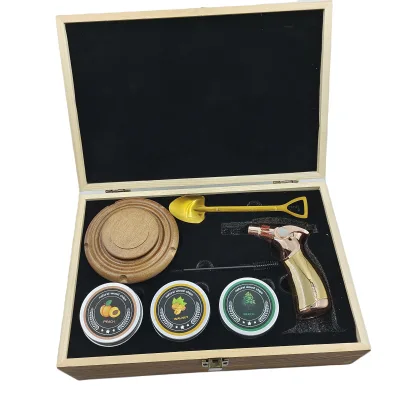
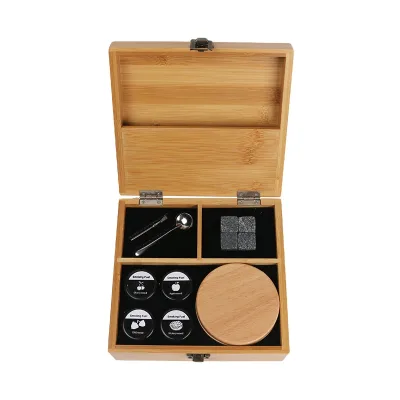
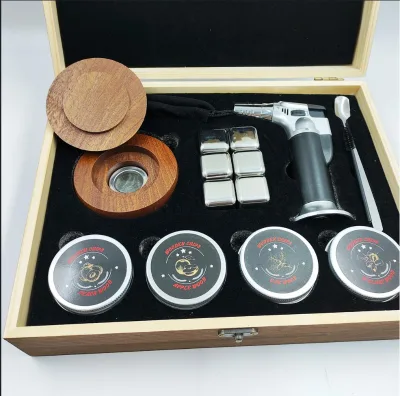
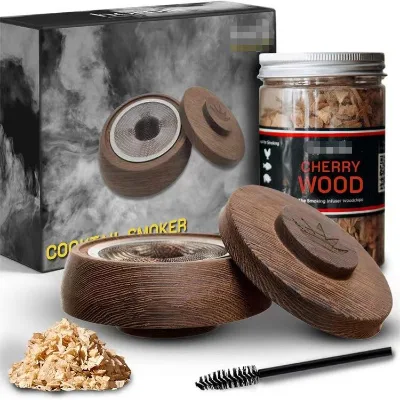


Comprehensive Sourcing Guide
Strategic Sourcing Guide for Eco-Friendly Whiskey Smoker Kits
Understanding the Product Category and Core Attributes
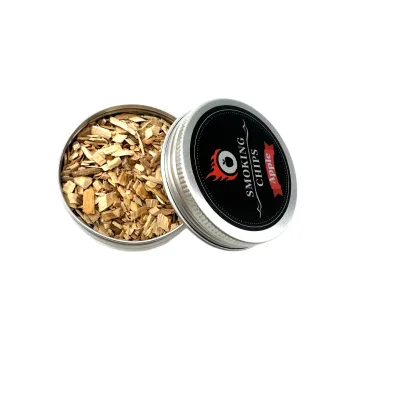
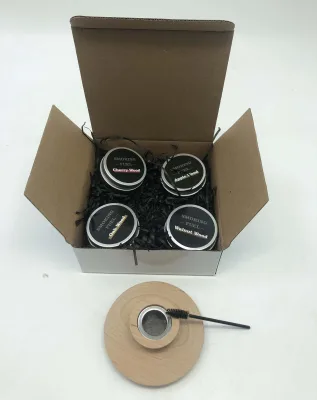
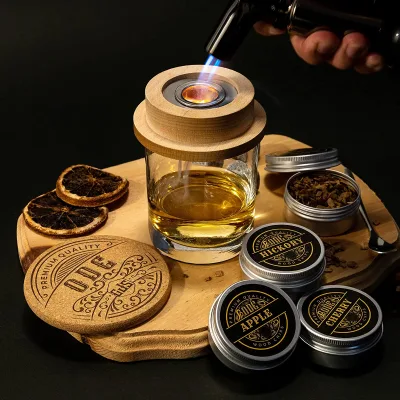
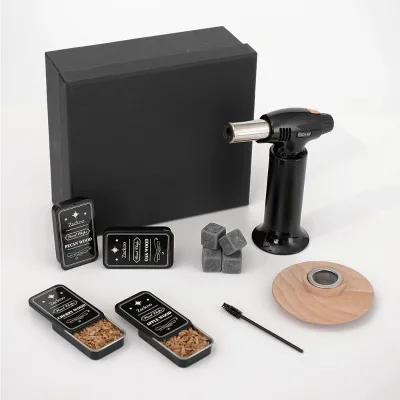
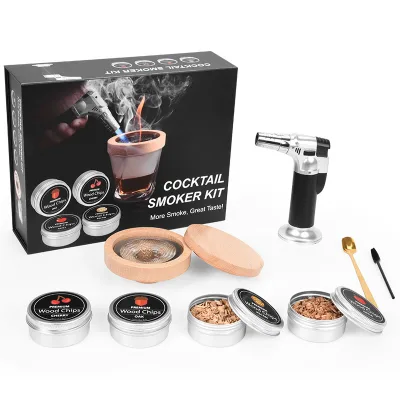
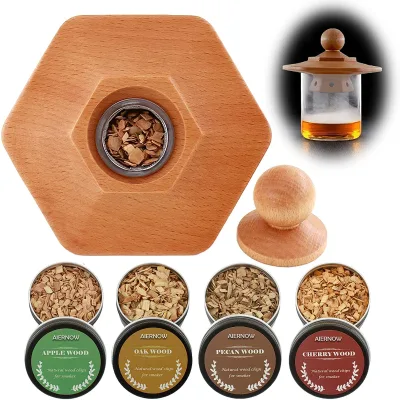
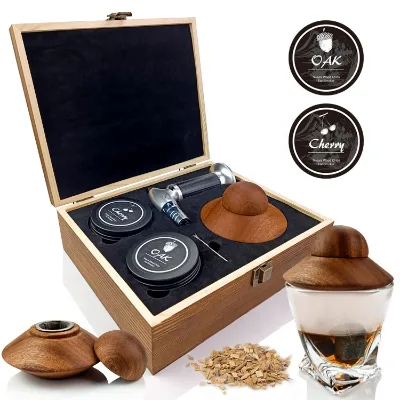
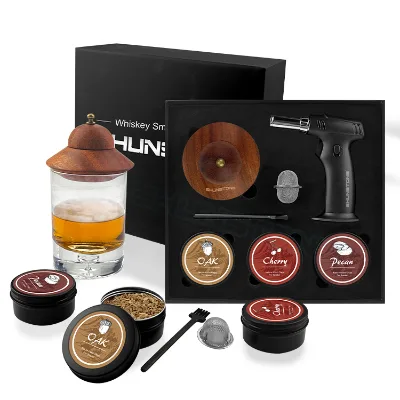
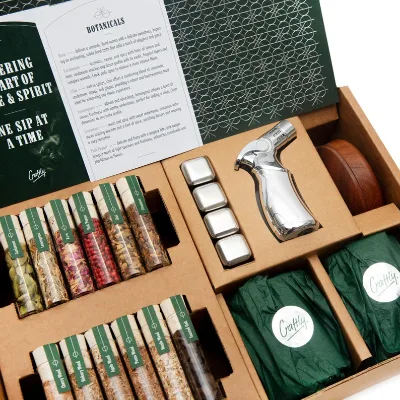
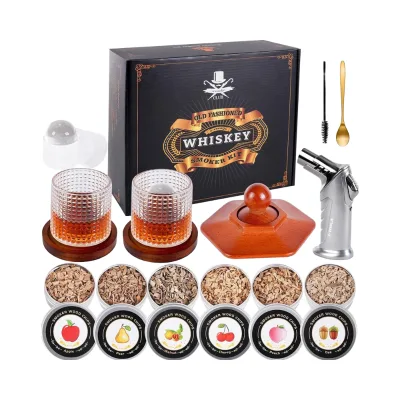
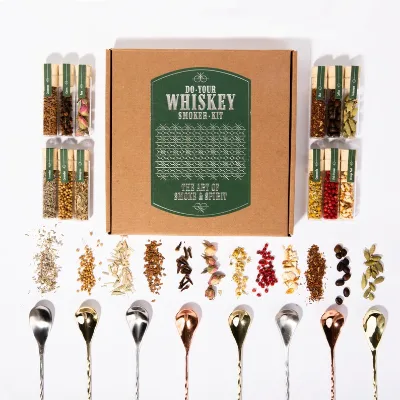
The eco-friendly whiskey smoker kit represents a specialized segment within bar accessories, designed to infuse spirits with aromatic smoke without the need for complex machinery or electricity. Based on observed market data, these products are primarily categorized as "Cocktail Smoker Kit" or "Fashioned Whiskey Smoker Kit," falling under the broader "Bar Accessories" type. The core functionality relies on the "Flavor" attribute, specifically targeting the enhancement of "Whiskey" and general "Drinking Tool" applications. A defining characteristic of this category is the "Manual" power source, with a power rating of 0, indicating that the device operates without external energy inputs. This manual operation aligns with the "Eco-Friendly" and "Disposable" features often highlighted in product listings, suggesting a design philosophy centered on sustainability and single-use or low-maintenance components.
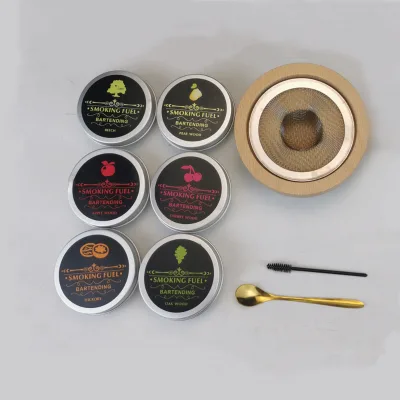
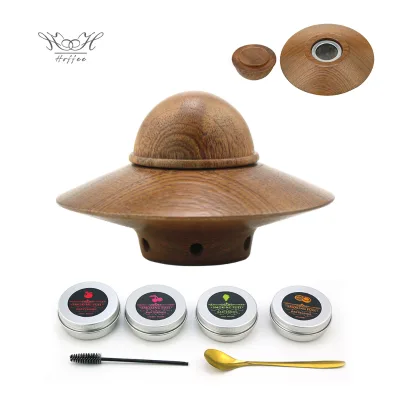
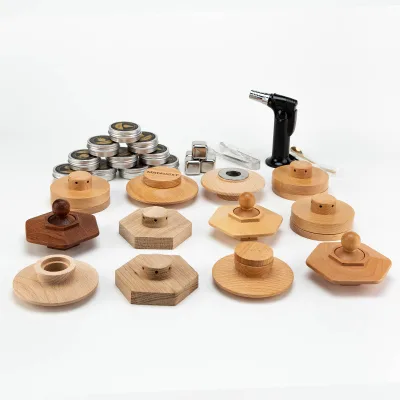
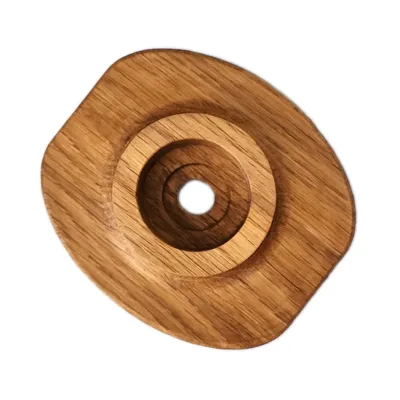
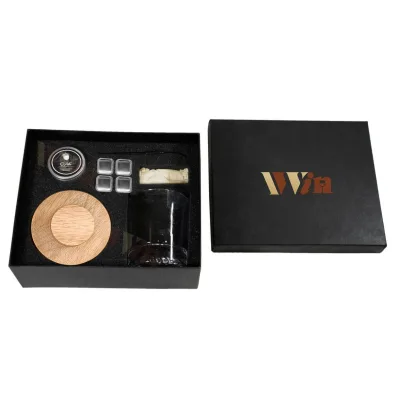
The physical construction of these kits frequently utilizes "Wood" as the primary material, offering a natural aesthetic that complements the "Modern" style often associated with these items. The "Color" is typically described as "Wood" or "Customized Color," allowing for brand alignment. The operational language for these devices is predominantly "English," ensuring ease of use for international markets. The "Single package size" varies significantly across different supplier offerings, ranging from compact dimensions of 15x15x5 cm to larger configurations of 30x25x25 cm, with individual weights observed between 0.65 kg and 1.000 kg. These variations suggest that buyers must carefully evaluate the logistical implications of packaging, as the "Single gross weight" and volume directly impact shipping costs and storage requirements.
Technical Specifications and Material Composition
When evaluating the technical specifications of an eco-friendly whiskey smoker kit, the material composition is the most critical factor. The observed data confirms "Wood" as a standard material, which supports the eco-friendly narrative. However, buyers must verify the specific type of wood and the treatment processes used, as these affect both the burn rate and the flavor profile imparted to the drink. The "Size" specifications vary, with some units listed at 9 cm and others at a diameter of 10 cm. This variation in physical dimensions can influence the volume of smoke generated and the compatibility with different glassware sizes.
The "Model number" SB01 is observed in specific listings, indicating that standardized models exist within the supply chain. The "LOGO" capability is a key technical feature, with "Silk Screen Printing" and "Customer Logo" options available. This allows commercial buyers to brand the product for their specific establishments. The "OEM/ODM" acceptance confirms that manufacturers are capable of customizing the design, which is essential for businesses seeking unique branding. The "Feature" set includes "Multifunctional" capabilities, suggesting that these kits may be adaptable for various types of spirits or cocktail preparations beyond just whiskey.
The "Operating language" being English is a standard requirement for international trade, but the "App-controlled" attribute is explicitly noted as "No," reinforcing the manual nature of the device. This lack of electronic components simplifies the supply chain by reducing the risk of electronic failures and simplifying the regulatory compliance process regarding electrical safety. The "Commercial Buyer" segments identified include "Food & Beverage Stores," "Restaurants," "Caterers & Canteens," and "TV Shopping," indicating a diverse market reach that spans from B2B hospitality to direct-to-consumer retail.
Compliance, Certification, and Regulatory Standards
Navigating the regulatory landscape for bar accessories requires a thorough understanding of the certifications required for the target market. The observed data lists a robust set of certifications including "CE / EU," "CIQ," "Eec," "Lfgb," and "Sgs." These certifications are critical for ensuring that the product meets safety and quality standards in various regions. The "CE / EU" mark indicates compliance with European health, safety, and environmental protection standards, which is often a prerequisite for selling in the European Union. "Lfgb" refers to the German Food and Feed Code, a standard that is particularly relevant for products that come into contact with food or beverages, ensuring that the materials used are safe for consumption.
"CIQ" (China Inspection and Quarantine) and "Sgs" (a leading inspection, verification, testing, and certification company) provide third-party validation of the product's quality and safety. Buyers should verify that these certifications are current and applicable to the specific batch of goods being procured. The "Warranty" period is observed as "1 Year," which is a standard expectation for this type of hardware. However, the "After-sales service provided" includes "Return and Replacement," which is a vital component of the procurement agreement. This service level indicates that the supplier is committed to resolving issues related to product defects or damage during transit.
It is important to note that while "CE" is listed in the low-confidence background, the high-confidence facts explicitly include "CE / EU." Buyers should treat the certification status as a verification point rather than an automatic guarantee. The "Certification" field suggests that the supplier has undergone testing, but the specific test results and standards should be requested directly from the manufacturer. The "Commercial Buyer" segments, such as "TV Shopping" and "Restaurants," often have stricter compliance requirements, making these certifications a non-negotiable aspect of the sourcing process.
Cost Drivers and Pricing Dynamics
The pricing structure for eco-friendly whiskey smoker kits is influenced by several factors, including material costs, customization levels, and order volume. The observed price range in the market spans from 0.41 to 17 USD, a significant variance that reflects differences in quality, packaging, and branding. The "MOQ" (Minimum Order Quantity) ranges from 2 to 3000 units, with specific listings showing an MOQ of 100 or 100pcs. This wide range in MOQ allows buyers to scale their orders based on their budget and inventory needs.
The "Selling Units" are typically listed as "Single item," which simplifies the purchasing process for small-scale buyers. However, the "Quantity" attribute often exceeds 5, suggesting that bulk purchasing is common. The "Packaged" status is noted as "CUSTOMIZED," which can add to the cost but is essential for branding. The "Color" being "Customized Color" also implies a potential premium for non-standard finishes. The "Feature" of being "Stocked" suggests that some suppliers maintain inventory, which can reduce lead times and stabilize pricing, whereas "Disposable" items might have different cost structures based on the frequency of replenishment.
Buyers should be aware that the "Commercial Buyer" segments, such as "Caterers & Canteens," may have different pricing expectations compared to "Food & Beverage Stores." The "Brand" names observed, such as "CPYP" and "YSBARS," indicate that established brands may command higher prices due to perceived quality and reliability. The "Place of origin" is listed as "Guangdong, China" and "Zhejiang, China," which are major manufacturing hubs. The proximity of these regions to shipping ports can influence logistics costs, but the specific "Lead time" is not provided in the data and should be confirmed with the supplier.
Typical Applications and Market Segmentation
The application of eco-friendly whiskey smoker kits is diverse, extending beyond simple home use to professional hospitality environments. The "Application" is explicitly listed as "Household," "Home," and "Party," indicating a strong consumer market. The "Usage" is defined as "Whiskey" and "Drinking Tool," highlighting the primary function of the product. The "Holiday Selection" is noted as "Not Support," suggesting that these products are not seasonally dependent and can be sold year-round, as confirmed by the "Season: All-Season" attribute.
The "Commercial Buyer" segmentation provides insight into the market dynamics. "Restaurants" and "Caterers & Canteens" are key B2B clients who utilize these kits to enhance the dining experience. "Food & Beverage Stores" serve as retail outlets, while "TV Shopping" represents a direct-to-consumer channel. The "Function" of "Flavor" is central to the product's value proposition, appealing to consumers who seek unique sensory experiences. The "Style" being "Modern" aligns with current trends in bar design and cocktail culture.
The "Feature" of being "Eco-Friendly" and "Disposable" addresses the growing consumer demand for sustainable products. This aligns with the "Material" of "Wood," which is biodegradable and renewable. The "Brand" names like "YISOU" and "YSBARS" suggest that there are multiple players in the market, each targeting different segments. The "Commercial Buyer 4" category of "TV Shopping" indicates that these products are also marketed through media channels, which can drive volume sales. The "Application" of "Home, Party" suggests that the product is versatile enough for both casual and formal gatherings.
Supplier Evaluation and Quality Control Protocols
Evaluating suppliers for eco-friendly whiskey smoker kits requires a rigorous approach to quality control and reliability. The "Brand" names observed, such as "CPYP" and "YSBARS," serve as initial indicators of supplier identity, but buyers should not rely solely on brand reputation. The "Place of origin" in "Guangdong, China" and "Zhejiang, China" provides geographical context, but the specific factory location and capacity should be verified. The "MOQ" of 100 or 100pcs is a standard threshold, but buyers should negotiate based on their specific volume needs.
Quality control should focus on the "Material" integrity, ensuring that the "Wood" is free from defects and treated appropriately. The "Certification" of "Lfgb" and "Sgs" should be validated through documentation, and the "Test results" should be reviewed to ensure compliance with safety standards. The "Warranty" of "1 Year" and "After-sales service" including "Return and Replacement" are critical components of the supplier agreement. Buyers should verify the terms of the warranty and the process for handling returns.
The "LOGO" customization capability, including "Silk Screen Printing," should be tested with a sample to ensure the quality of the print and the durability of the branding. The "Single package size" and "Single gross weight" should be confirmed to ensure accurate shipping calculations. The "Commercial Buyer" segments, such as "Restaurants" and "Caterers," often require consistent quality, so the supplier's ability to maintain standards across large batches is essential. The "Feature" of being "Stocked" can be a positive indicator of supply chain stability, but buyers should confirm the availability of stock before placing large orders.
Long-Term Procurement Considerations and Strategic Planning
Long-term procurement of eco-friendly whiskey smoker kits involves strategic planning to ensure supply chain resilience and cost efficiency. The "Season: All-Season" attribute suggests that demand is stable throughout the year, reducing the risk of seasonal inventory buildup. However, the "MOQ" range of 2 to 3000 units requires buyers to balance inventory costs with cash flow. The "Customized" packaging and "Color" options offer opportunities for brand differentiation, but they also introduce complexity into the supply chain.
The "Place of origin" in China is a major factor in global sourcing, and buyers should consider the geopolitical and logistical implications of this region. The "Lead time" is not specified in the data, but it is a critical variable for inventory management. Buyers should establish clear communication channels with suppliers to monitor production schedules and shipping timelines. The "Certification" requirements, such as "CE / EU" and "Lfgb," may change over time, so buyers should stay informed about regulatory updates.
The "Feature" of being "Eco-Friendly" and "Disposable" aligns with global sustainability trends, making these products a strategic choice for businesses aiming to reduce their environmental footprint. The "Commercial Buyer" segments, including "TV Shopping" and "Food & Beverage Stores," indicate a broad market potential. Buyers should consider the "Brand" names and market positioning when selecting suppliers, as established brands may offer better support and reliability. The "Warranty" and "After-sales service" are long-term considerations that can impact the total cost of ownership. By focusing on these strategic elements, buyers can build a robust and sustainable procurement strategy for eco-friendly whiskey smoker kits.
FAQs
What certifications do eco friendly whiskey smoker kits have?
These kits typically hold CE / EU, CIQ, Eec, Lfgb, and Sgs certifications. The Lfgb standard ensures safety for food contact, while CE / EU indicates compliance with European health and environmental standards. Buyers should verify current documentation for specific batches.
How is the power source for these smoker kits?
The power source is manual with a power rating of 0, requiring no electricity. This design supports eco-friendly operation by eliminating electronic components. Users operate the device by hand to infuse flavor into whiskey or cocktails.
Which materials are used to construct the smoker kit?
Wood is the primary material used for construction, offering a natural aesthetic. The color is often described as wood or customized color to match brand needs. This material choice supports the eco-friendly and disposable features observed in listings.
Can buyers request custom logos on the product?
Yes, suppliers accept customer logos via silk screen printing or other methods. The product allows for customized branding to align with specific business identities. OEM and ODM services are available to meet unique design requirements for commercial buyers.
What is the typical warranty period for these kits?
The standard warranty period is 1 year for the product. After-sales service includes return and replacement options for defective items. This coverage ensures buyers are protected against manufacturing defects during the initial year of use.
How does the minimum order quantity vary for these kits?
The minimum order quantity ranges from 2 to 3000 units depending on the supplier. Some specific listings require an MOQ of 100 or 100 pieces. Buyers can select suppliers based on their inventory needs and budget constraints.
Where are these products typically manufactured?
Products originate from manufacturing hubs in Guangdong and Zhejiang, China. These locations are known for producing bar accessories and food-grade items. The place of origin influences logistics but does not dictate the product's functional specifications.